KNITWEAR CARE GUIDE
Taking care of wool garments is easy peasy when you know how to do it properly. Here is how not to turn your favorite sweater into a new felting project.

The Lazy Secret - Airing & Steaming
First rule of Wool Club: Stop washing it. Wool is basically magic, it’s self-cleaning.
Wool doesn’t need washing after every wear. You only really need to wash your sweater once or twice a season. Avoid washing and you’ll save water, time, and your sweater’s sanity.
Airing: Give it some fresh air after wearing.
Steaming: A quick steam kills bacteria, releases smells and removes wrinkles.
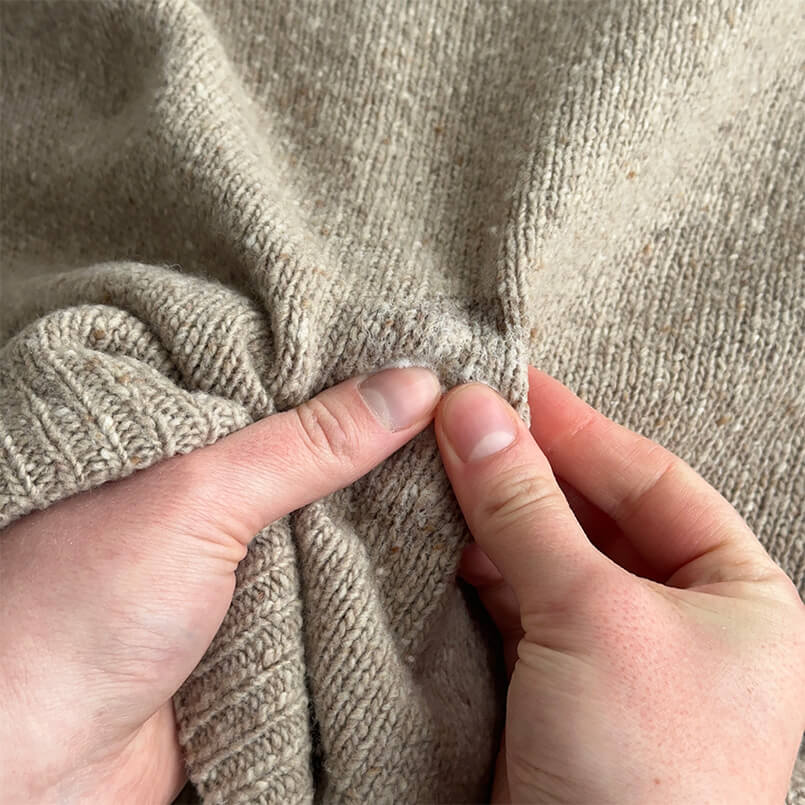
Accidents happen... - spot washing
Second rule of Wool Club: If you have a small stain, take a breath and choose spot washing instead of drowning the whole garment. It’s less work, more wins.
Method: Use cool water and a clean cloth. Make the stain wet and keep the rest of the sweater dry. Grab a drop of wool detergent.
The Golden Rule: Dab, don’t rub. Rubbing creates friction, which results a permanent felted patch.
No bleach: Never use bleach or harsh "stain remover" chemicals.
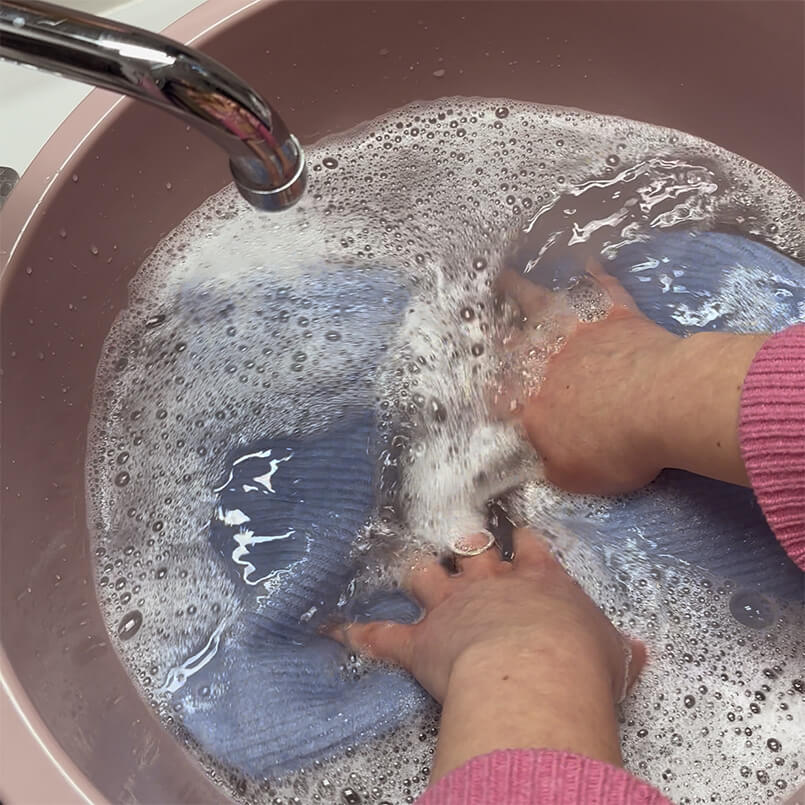
The Spa Day - washing
Third rule of Wool Club: Cold water only. 30°C max. If it’s actually dirty, follow these washing tips:
Temp: 30°C max. Heat + agitation = a tiny, stiff sweater. You’re washing wool, not making a soup.
Soap: Use a detergent meant for wool.
Method: Always hand wash. Only use a wool program if you trust your washing machine more than your mom.
Pro Tip: we sell a lanolin-infused detergent. Lanolin is wool's natural wax. It keeps fibers soft and water-repellent.
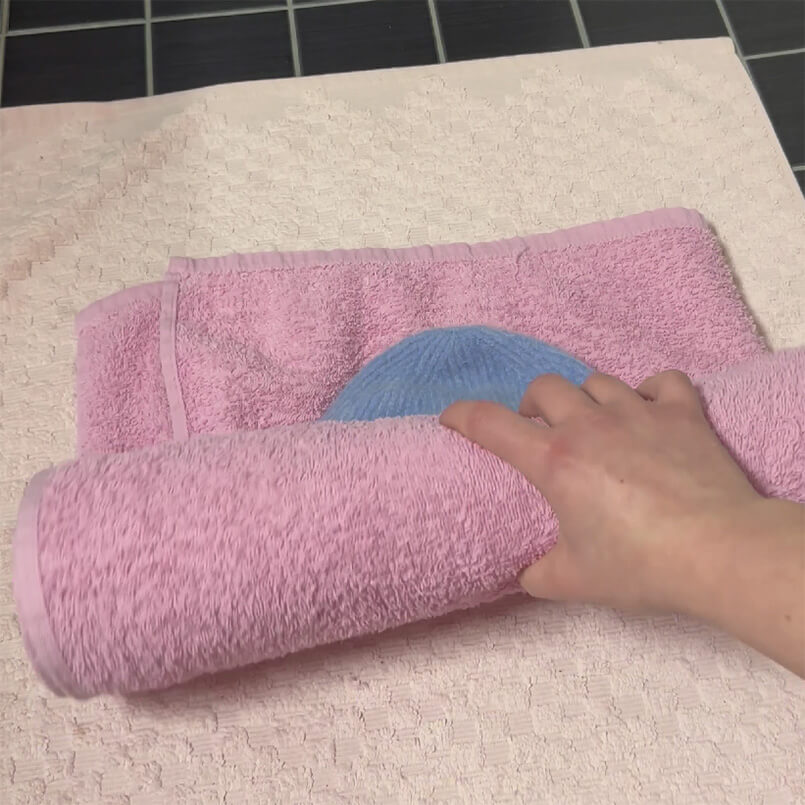
DRYING
Fourth rule of Wool Club: Never ever dry it hanging. Gravity is a cruel enemy; hanging wet wool stretches it out.
No wringing: If you twist your wool, you’re breaking its spirit (and its shape).
"Burrito" Method: Lay it on a clean towel. Roll it up like a burrito and squeeze gently to get the water out.
Reshape: Lay flat on a dry surface and reshape while it’s still damp.
No tumle dry: Let it air dry flat, away from heaters. Tumble drying is a "no-go." The heat and spinning will shrink your garment instantly.
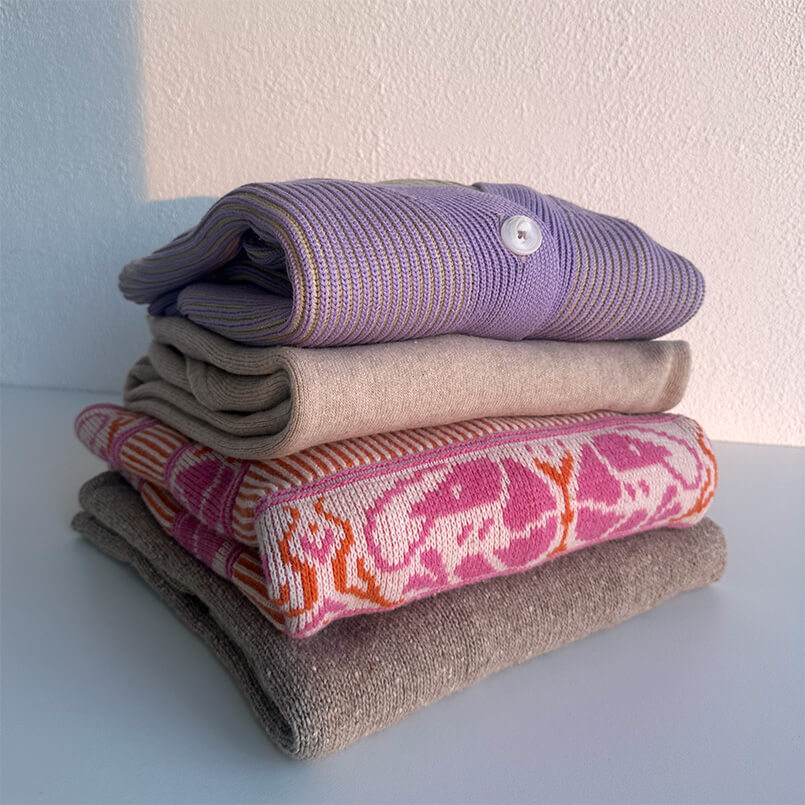
ALWAYS FOLD TO STORE
Friends don’t let friends hang wool long-term. Always fold your knits to keep the original shape and prevent the weight of the garment from pulling it down.
Hanging sweaters on a normal hanger creates "shoulder nipples". Not so sexy, if you ask us...
A flat, folded stack in your drawer is the happiest place for your Woolish pieces to live between uses.
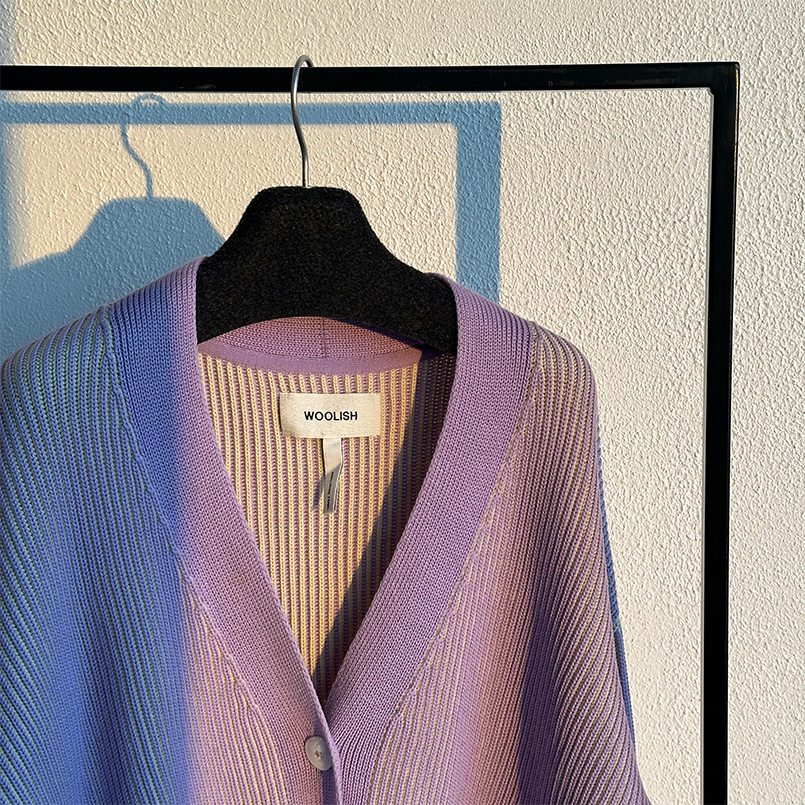
WOH hangers
Exception: If you must show it off, or keep it accessible for the week, use the WOH hanger. Designed in Estonia, it’s the only hanger we trust for a short-term "hanging" because it respects the shoulder's natural shape.
Its broad, felted non-slippery surface provides the necessary support that thin wire or plastic hangers simply can't offer.
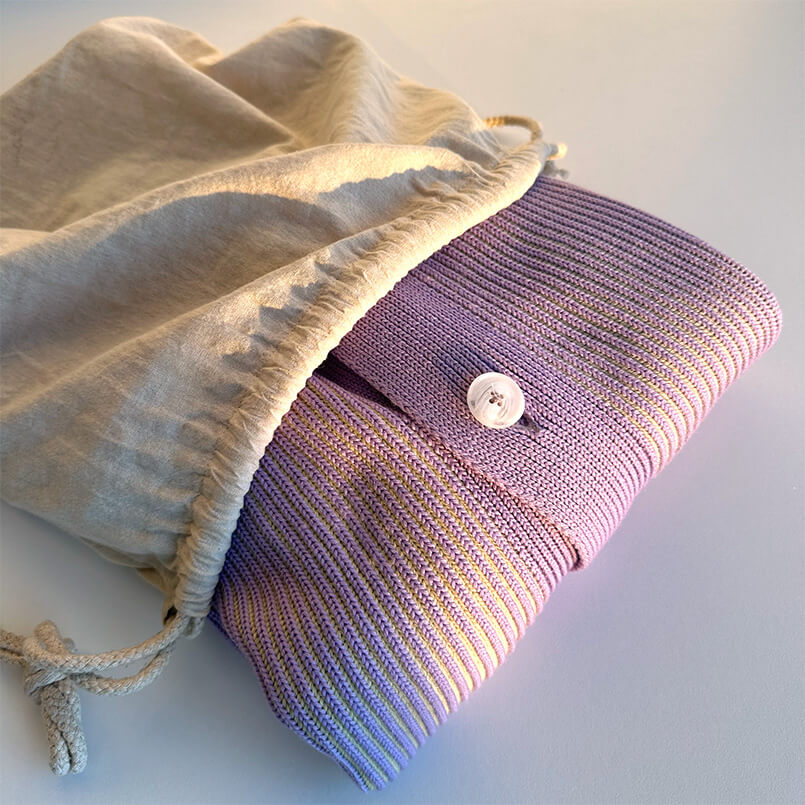
Cotton Bags for Long-Term Storage
During the off-season, store your knits in the breathable cotton bags we sent them in. These bags allow the wool to breathe while acting like a VIP lounge where dust and moisture aren't on the guest list.
Using natural fibers for storage prevents the yellowing or stale smells that can occur when wool is trapped in airtight plastic containers for months.
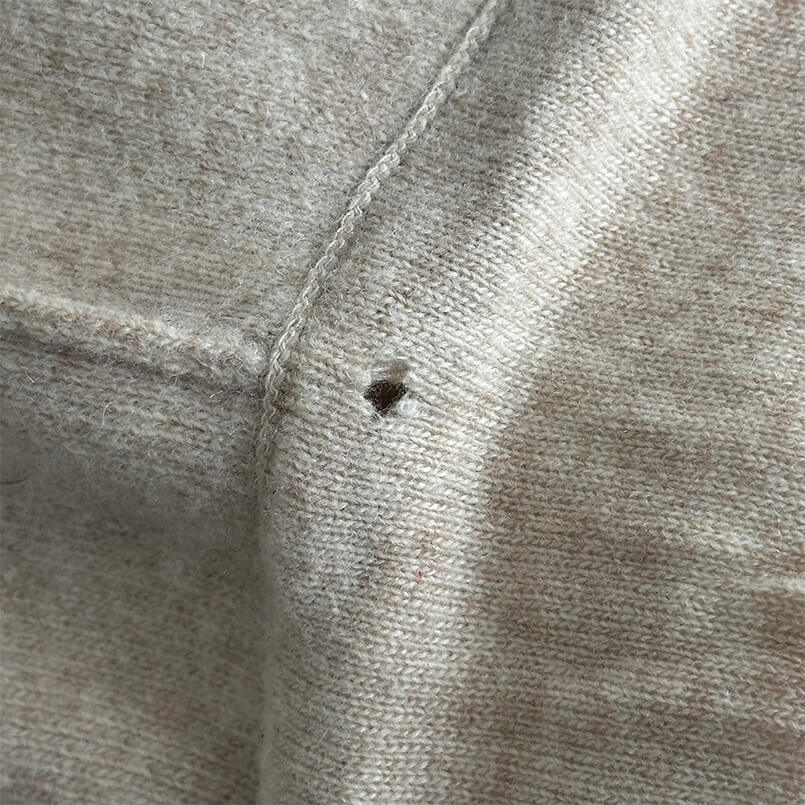
Moths: They have expensive taste
Moths love Woolish as much as you do.
Always wash your knits before long-term storage. Moths love "human flavored" wool (sweat and skin cells).
Adding some cedar or lavender to your storage bag or drawer creates a natural scent barrier that keeps bugs away from entering. Good smell is a bonus.
If you suspect a visitor, or just want to be safe, give moths a cold reception and pop your wool in the freezer for 24h. The below -18°C temperature effectively kills any moth larvae or eggs that might be hiding
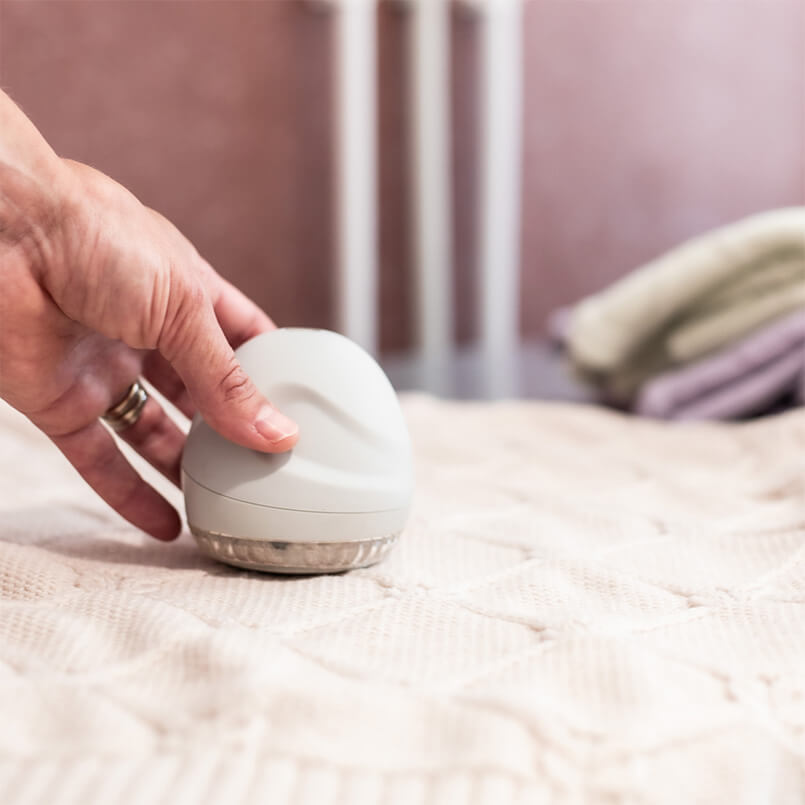
Pilling: Time to Shave
Let’s get one thing straight: Pilling isn’t a "flaw" or sign of poor quality. It’s just what happens when soft, natural fibers meet friction.
Think of it as your sweater’s way of shedding its "baby hair."
A fabric shaver or wool comb are your best friends when it comes to removing pilling.
Shave it down and watch that "worn-in" look disappear.
The good news? Once you remove these loose fibers, pilling usually slows down significantly.
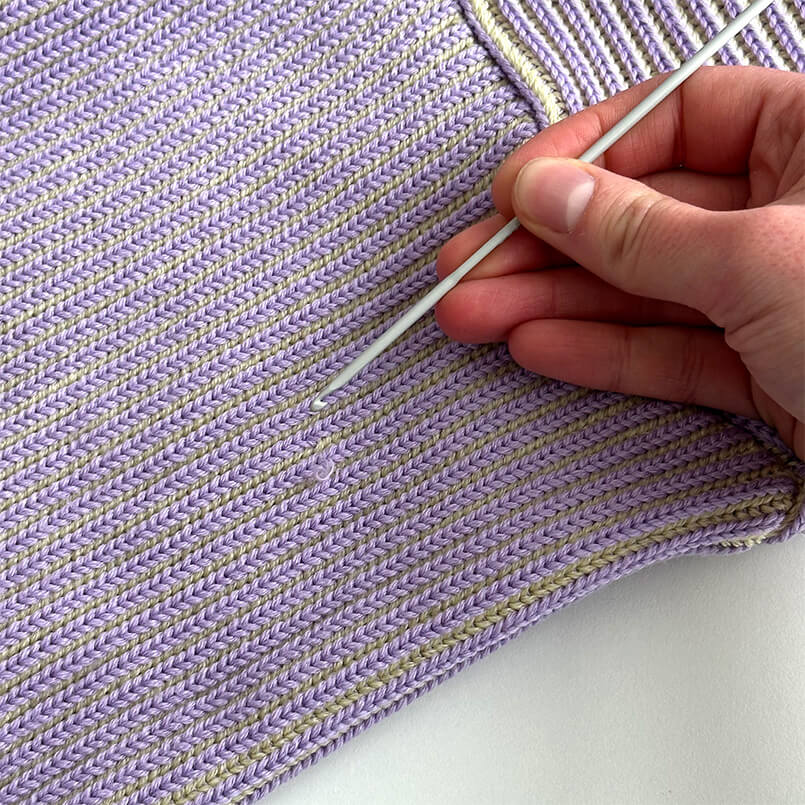
Caught your sleeve? DO NOT SNIP.
It’s not a tragedy. Whatever you do, DO NOT SNIP. Cutting the thread is an invitation for the whole thing to unravel into a larger problem.
Use a needle or a small crochet hook to pull the loop through to the inside of the garment.
Once it's tucked away on the reverse side, it’s out of sight and out of mind
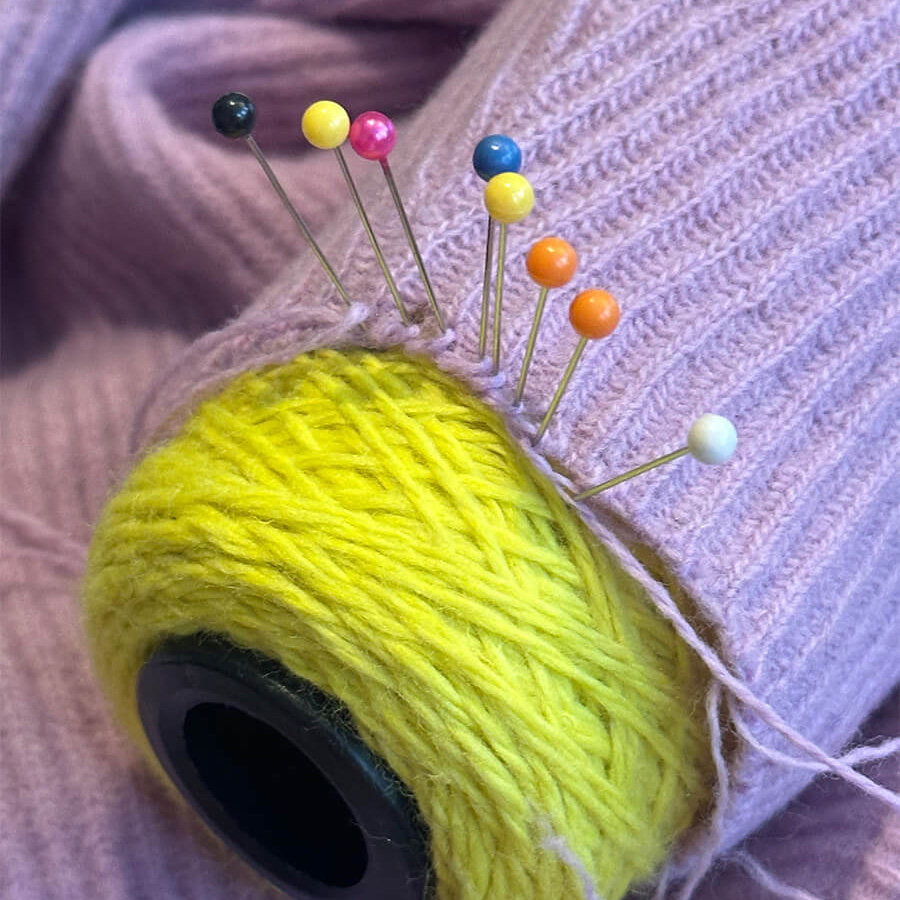
Fixing a Hole
Life happens, and sometimes your knitwear gets a small hole. Don't panic and don't throw it away!
Wool is incredibly rewarding to mend, and a visible repair can even add character.
If you aren't handy with a needle, we can help. Check out our Knitwear Repair Service to give your favorite piece a second life and keep it in your wardrobe forever.